Bingo, at first glance, appears simple—a game of numbers, cards, and chance. Yet beneath this unassuming surface lies a vibrant cultural tradition that transcends generations, geography, and demographics. From church halls in rural England to glitzy online platforms and bustling community centers worldwide, bingo has endured not just as a game, but as a beloved social ritual. Its enduring appeal lies in its ability to foster connection, offer excitement, and bring joy through shared experience.
A Brief History: The Evolution of Bingo
The roots of bingo trace back to 16th-century Italy, where a lottery game known as “Il Gioco del Lotto d’Italia” was a popular pastime. The concept traveled to France in the 18th century, evolving into “Le Lotto,” a game primarily played by the aristocracy. It later reached Germany, where it was used as an educational tool for children to learn spelling and math.
In the 1920s, the game made its way to North America, where it took on the name “beano,” derived from using beans to mark numbers. A game operator famously overheard a player shout “Bingo!” by mistake—and the name stuck. From there, it spread rapidly across the United States and the United Kingdom, becoming a staple in fundraising events, senior centers, and entertainment halls.
The Rules: Simple Yet Exciting
Part of bingo’s appeal lies in its straightforward structure. A typical bingo card consists of a grid with numbers arranged in columns beneath the letters B-I-N-G-O. As a caller announces random numbers, players mark off corresponding spots on their cards. The first person to complete a designated pattern—usually a straight line, diagonal, or full house—shouts “Bingo!” to claim the win.
Standard formats include:
75-ball bingo: Common in North America, featuring a 5×5 grid with the center space free.
90-ball bingo: Popular in the UK, played with three rows and nine columns.
Speed bingo: A faster-paced version, heightening the excitement.
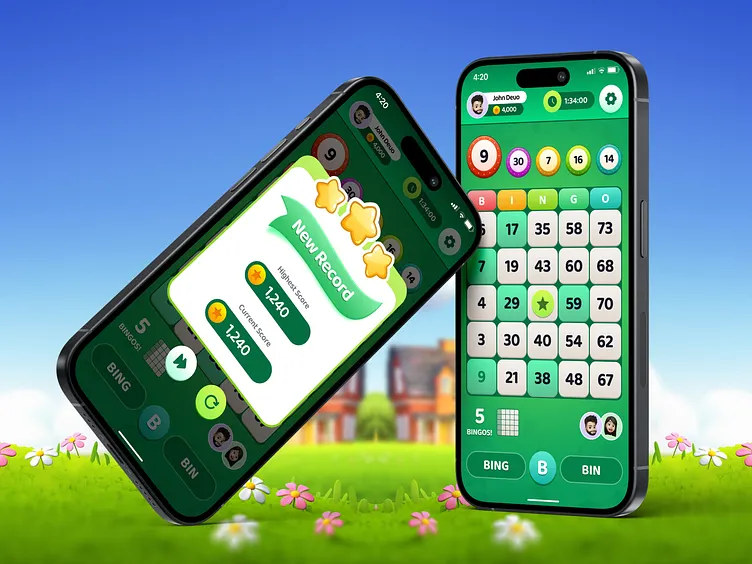
Online bingo: Digital adaptations that often include chat features and customizable avatars.
The simplicity of the game allows for inclusivity, making it accessible to both seasoned players and beginners alike.
The Social Fabric of Bingo
Bingo is far more than a solitary game of chance. It is a communal activity that brings people together, often across age groups and social backgrounds. In senior communities, it serves as both a cognitive stimulator and a cherished social tradition. In charitable settings, bingo nights often double as fundraising events, fostering a spirit of community and goodwill. The rise of online bingo platforms has added a new dimension to this social fabric. Virtual chat rooms, themed games, and real-time interaction mimic the camaraderie of traditional halls, extending the sense of belonging to a global scale.
Conversational gameplay: Allows for relaxed interaction while playing.
Tradition and nostalgia: Many players associate bingo with family, community, or childhood memories.
Inclusivity: Age, background, or location does not limit participation.
The Digital Renaissance: Bingo in the Online Era
The digital revolution has not bypassed bingo. In fact, the game has adapted remarkably well to modern technology. Online bingo platforms now attract millions of players globally, offering an experience that combines traditional gameplay with digital enhancements. Features such as auto-daubing, themed game rooms, in-game bonuses, and community chats have reinvented the game for a tech-savvy generation.
Online bingo’s key features:
Mobile accessibility: Playable on smartphones and tablets, anytime and anywhere.
Interactive features: Chatrooms, leaderboards, and friend systems enhance engagement.
Game diversity: Themed bingo rooms (e.g., holiday specials, pop culture references) offer variety.
Secure transactions: Licensed platforms ensure safe deposits and withdrawals.
Far from replacing traditional bingo halls, the online version has created a complementary space, enabling people to enjoy the game regardless of mobility or location.
Bingo’s Psychological Benefits
Beyond entertainment, bingo has cognitive and emotional advantages. For older adults, it offers mental stimulation through number recognition and pattern spotting, contributing to memory retention and cognitive agility. The game’s repetitive nature, combined with anticipation and reward, also produces a calming effect, making it especially popular in wellness settings.
Psychological and emotional benefits:
Mental stimulation: Enhances focus, quick decision-making, and alertness.
Stress relief: Encourages mindfulness and reduces anxiety through light-hearted play.
Boosts morale: Winning, even in small doses, can elevate mood and confidence.
Fosters belonging: Reduces feelings of isolation by promoting interaction.
Whether played for fun or competition, bingo often leaves players with a sense of satisfaction and connection.
Cultural Impact and Modern Perception
Bingo is deeply woven into the cultural fabric of several societies. In the UK, “bingo lingo” (like “two little ducks—22”) has become part of colloquial language. In the United States, bingo has a longstanding association with churches and charitable institutions. The game has also found its way into pop culture, appearing in films, comedy sketches, and even fashion.
Modern reinterpretations—such as drag queen bingo nights or music-themed bingo—have further expanded its appeal among younger audiences. These versions blend entertainment with play, bringing a fresh, lively energy to a game once seen as the domain of the elderly.
Responsible Play and Regulation
Like any game involving money or prizes, bingo requires responsible oversight. Most countries regulate bingo under gaming or lottery laws, especially where monetary stakes are involved. Responsible operators ensure transparency in number generation, fair odds, and secure transactions. Many platforms also offer player support tools such as deposit limits, session reminders, and self-exclusion options.
Conclusion: The Timeless Allure of Bingo
In a world saturated with complex, fast-paced forms of entertainment, bingo stands out for its simplicity, warmth, and universality. It demands little but offers much—community, joy, mental stimulation, and a sprinkle of suspense. Whether in a rustic church hall, a glamorous bingo lounge, or a sleek mobile app, the call of “B-I-N-G-O” continues to echo across generations. As trends come and go, bingo endures—not as a relic of the past, but as a timeless celebration of connection, anticipation, and human spirit.