Introduction: A Game Rooted in History, Alive in the Present
Bingo is far more than a simple game of chance. It’s a cultural staple, a social connector, and a nostalgic nod to simpler times. While it may evoke images of seniors gathered in local community centers with dabbers in hand, bingo’s appeal has evolved far beyond its traditional roots. Today, it thrives in modern digital platforms, upscale event venues, and even as an icebreaker at corporate retreats. Its enduring popularity lies in its beautiful paradox: it is both delightfully straightforward and endlessly adaptable.
A Brief Look at Bingo’s Fascinating Origins
Bingo’s origins trace back to 16th-century Italy, where a lottery-style game called “Il Gioco del Lotto d’Italia” captivated players with its weekly draw. As the game traveled across Europe, it was modified to suit different cultures and contexts. In 18th-century France, it became “Le Lotto,” enjoyed primarily by aristocrats. By the time it reached North America in the 1920s, it had evolved into what we now recognize as bingo.
Interestingly, the name “bingo” reportedly came about by accident. Toy salesman Edwin S. Lowe observed a similar game at a carnival where a player, in a moment of exhilaration, shouted “Bingo!” instead of “Beano,” the game’s original name. The exclamation stuck—and so did the game.
Why Bingo Endures: The Appeal Beyond the Numbers
Despite being rooted in simplicity, bingo’s staying power is no accident. It combines anticipation with social interaction and a small dose of adrenaline. The game thrives in environments where community and engagement are valued, and this emotional connection is one of its most powerful attributes.
Key Factors Behind Bingo’s Lasting Popularity:
Accessibility: No complex rules, no special skills. Almost anyone can understand and enjoy it within minutes.
Social Connection: Whether in a church hall, cruise ship, or online forum, bingo creates a sense of camaraderie.
Low Pressure, High Fun: Unlike competitive games, bingo allows for enjoyment without stress.
Inclusivity: Suitable for all ages, backgrounds, and abilities.
Modern Renaissance: Bingo in the Digital Age
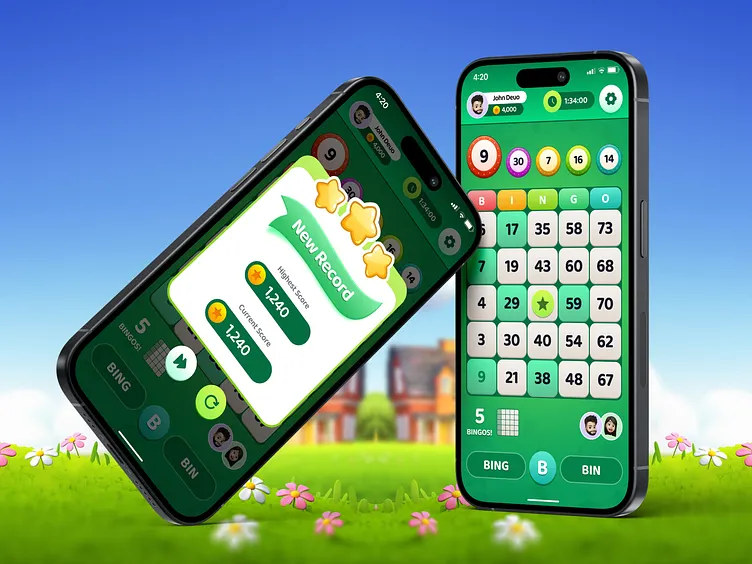
In recent years, bingo has undergone a stylish revival. Far from being confined to the senior crowd, it now appeals to millennials and Gen Z through vibrant online platforms, mobile apps, and themed events.
Digital bingo platforms have brought the game to a global audience, allowing players to compete in real time from the comfort of their homes. With voice chat, themed rooms, and reward systems, online bingo offers a dynamic and immersive experience. Mobile apps have taken this a step further, blending traditional gameplay with gamification features such as daily challenges, leaderboards, and virtual prizes.
Themed Bingo Nights: A Cultural Phenomenon
One of the most surprising developments in recent years has been the rise of themed bingo nights. No longer just a quiet evening activity, bingo has burst into the nightlife scene. Events like “Drag Queen Bingo,” “Music Bingo,” and “Bingo Loco” infuse the game with live performances, costumes, DJs, and dancing.
These lively reinterpretations have helped strip away outdated stereotypes. Bingo is no longer just about marking numbers; it’s about memorable experiences, laughter, and shared excitement.
Bingo in Unexpected Places: From Boardrooms to Classrooms
Bingo’s adaptability makes it useful beyond entertainment. Educators often employ “Vocabulary Bingo” to reinforce learning, while businesses use customized versions of the game for team-building and training exercises. In mental health contexts, bingo has proven to be beneficial for cognitive stimulation, particularly among the elderly.
Corporate Bingo Variants Include:
Icebreaker Bingo: Encourages employees to learn about one another
Training Bingo: Reinforces key learning objectives in an engaging way
Wellness Bingo: Promotes health-conscious habits among staff
These applications showcase how bingo bridges generational and cultural gaps, offering relevance in both professional and recreational settings.
The Science Behind the Fun: Psychology of Bingo
Why do people get such a thrill from bingo? Psychologically, the game taps into the reward center of the brain. The anticipation of hearing the next number, the near-misses, and the occasional victories create a cycle of dopamine releases. Add in a supportive social setting, and the emotional reward multiplies.
Moreover, the repetitive yet engaging nature of bingo can have meditative effects, making it a calming ritual for many. The game’s rhythm—slow, steady, suspenseful—has a grounding quality that appeals to those seeking both stimulation and comfort.
Tips for Enhancing Your Bingo Experience
Whether you’re a newcomer or a seasoned dabber, a few thoughtful practices can elevate your bingo game:
Choose the Right Venue: Opt for settings that match your energy—quiet and cozy or loud and lively.
Mind the Number of Cards: More cards increase your chances but demand greater focus.
Engage with the Community: Conversations between games make the experience more enjoyable.
Keep It Light: Don’t chase wins—embrace the experience.
Conclusion: The Quiet Brilliance of Bingo
Bingo is not just a relic of a bygone era; it’s a living, evolving pastime that continues to resonate across generations and geographies. Its charm lies in its balance—offering excitement without pressure, competition without hostility, and tradition without rigidity. In a world increasingly dominated by complexity and speed, bingo offers a pause—a simple joy, wrapped in numbers, laughter, and a little bit of luck.
As long as people gather to connect, to play, and to celebrate, bingo will never go out of style.