Lottery Dreams: The Fascination, Fortune, and Folly of Chasing the Jackpot

Introduction: The Power of a Single Ticket
There’s something undeniably magnetic about the lottery. With one small ticket and a whisper of hope, millions dare to imagine their lives transformed overnight. The concept is elegantly simple—pay a nominal fee, pick a few numbers, and wait for fate to work its magic. Yet, beneath the surface, the lottery is far more than a game. It is a cultural mirror, reflecting our hopes, our habits, and our enduring belief in the possibility of sudden fortune. Whether seen as a harmless indulgence or a social vice, the lottery occupies a curious and powerful place in the modern psyche.
The Origins of the Lottery: An Ancient Game of Chance
Long before flashing jackpot screens and televised draws, the lottery existed in more primitive but equally thrilling forms. In ancient China, the Han Dynasty used lottery-style games to finance state projects like the Great Wall. In ancient Rome, emperors hosted raffles as part of lavish feasts. By the 15th century, European towns were organizing lotteries to raise funds for infrastructure and civic works. Over time, the game evolved into a regulated system of revenue and reward.
In colonial America, lotteries played a key role in funding public institutions. Harvard, Yale, and Princeton all benefited from lottery proceeds. By the 20th century, with rising state expenses and public resistance to taxation, governments found in lotteries a new model: voluntary participation in exchange for dreams of riches.
How Lotteries Work: Simplicity and Suspense
The structure of a lottery is disarmingly simple. Participants purchase tickets and choose a sequence of numbers. At a predetermined time, a random draw determines the winning combination. The payout varies depending on how many numbers a participant matches and how many winners there are. Prize pools are often divided into tiers, with the jackpot reserved for those who match all winning numbers.
Common types of lotteries:
-
Number draw lotteries: Such as Powerball or Mega Millions, featuring huge jackpots.
-
Scratch-off tickets: Instant-win games with smaller prizes.
-
Daily draws: Frequent, smaller-scale lotteries offering better odds.
-
Raffles: Limited-entry games with guaranteed prizes.
While the mechanics are universal, variations in frequency, prize size, and ticket cost create a broad appeal across different income levels and age groups.
The Psychology Behind the Play
Lotteries are, by nature, irrational pursuits. The odds of winning a major jackpot are typically astronomical—often worse than being struck by lightning—yet people still flock to buy tickets. The reason lies in human psychology.
Psychological factors that fuel lottery participation:
-
Hope and escapism: The fantasy of instant wealth offers an emotional lift and a break from the mundane.
-
Low-risk thrill: With minimal financial investment, players can indulge in high-stakes anticipation.
-
Optimism bias: People tend to believe they’re luckier than the statistics suggest.
-
Social proof: Seeing or hearing about winners encourages belief in one’s own chances.
The lottery taps into the universal desire for upward mobility, particularly in societies where economic inequality is stark. It provides a narrative where ordinary individuals are suddenly catapulted into lives of luxury and freedom.
The Economics of Lotteries: A Voluntary Tax?
Governments often justify the lottery as a “voluntary tax,” a way to fund public programs without enforcing higher compulsory taxation. A portion of proceeds is earmarked for education, health care, infrastructure, and cultural initiatives.
Economic benefits:
-
Revenue generation: Billions are raised annually through lottery sales.
-
Public funding: Programs in need—like school scholarships or elder care—often receive support.
-
Job creation: The lottery industry sustains employment across retail, marketing, and operations.
However, critics argue that lotteries are regressive, disproportionately affecting lower-income individuals who may spend more of their limited income chasing unlikely rewards. This raises ethical questions about promoting a financial system that benefits from people’s unrealistic hopes.
Winning the Lottery: Blessing or Burden?
While the idea of winning the lottery sounds blissful, reality often paints a more complicated picture. Many winners face sudden life changes that can bring joy, but also strain, confusion, and isolation.
Common challenges faced by lottery winners:
-
Financial mismanagement: Sudden wealth without proper guidance often leads to overspending and poor investment decisions.
-
Strained relationships: Windfalls can attract opportunistic friends or divide families.
-
Emotional stress: The pressure of decision-making and fear of losing newfound wealth can be overwhelming.
-
Loss of purpose: For some, removing financial struggle also removes a key motivator, leading to aimlessness or depression.
Some winners thrive, using their fortune wisely to secure their future or contribute to charitable causes. Others, unfortunately, become cautionary tales of fortune gone awry. Financial literacy and professional guidance are essential for navigating such sudden changes.
The Digital Age of Lotteries: Innovation and Accessibility
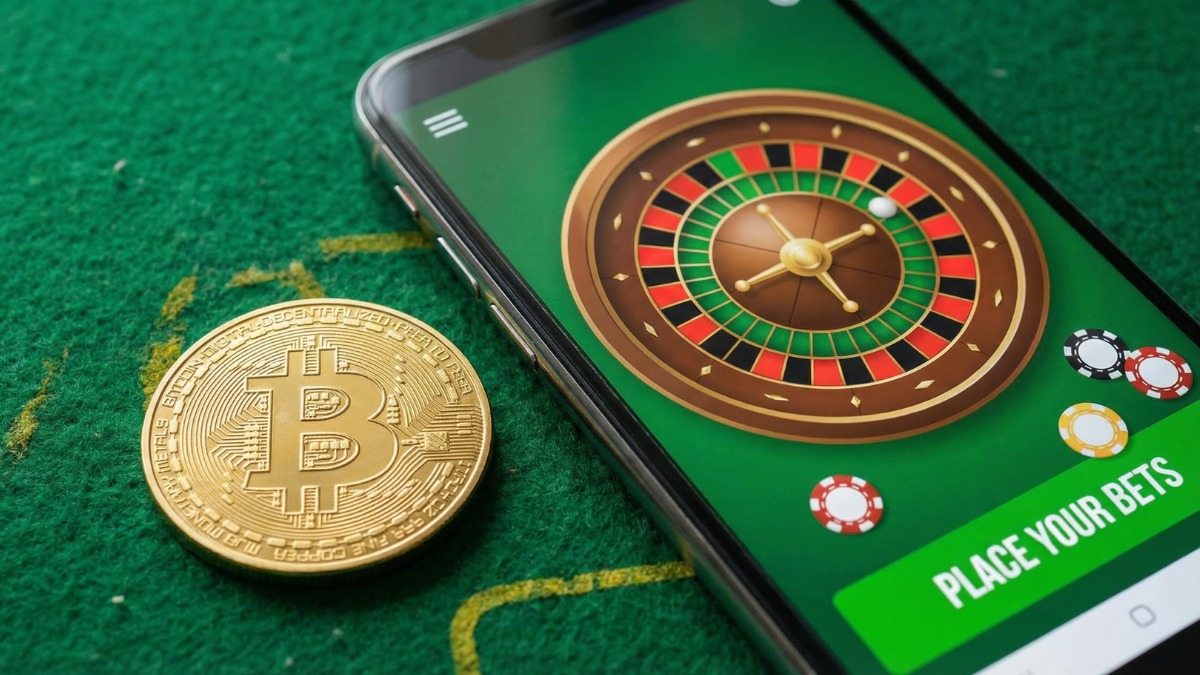
The lottery has evolved with the times. Today’s players can buy tickets online, join global syndicates, and participate in draws from countries they don’t reside in. Digital platforms have broadened accessibility, especially for younger and tech-savvy audiences.
Modern lottery innovations:
-
Mobile apps: Allow ticket purchasing, number checking, and notifications.
-
International lotteries: Services offer access to global draws like EuroMillions or El Gordo.
-
Subscription models: Users can enter recurring draws without visiting physical retailers.
-
Responsible gaming tools: Many platforms offer spending limits, self-exclusion features, and educational content.
These technological advancements have made the lottery more convenient but also necessitate stricter regulations to prevent problem gambling.
Playing Responsibly: Knowing When to Stop
While the lottery can be entertaining, it’s essential to approach it with moderation and mindfulness. It’s a game of chance, not a financial strategy.
Tips for responsible lottery play:
-
Set a budget: Only play with money you can afford to lose.
-
Avoid dependence: Don’t rely on the lottery as a solution to financial problems.
-
Stay informed: Understand the odds and the real value of your chances.
-
Enjoy the experience: Let the lottery be a light-hearted diversion, not a desperate pursuit.
Most importantly, remember that the lottery is designed to be profitable for its operators. Wins are rare, and while hope is priceless, financial health should never be wagered for fantasy.
Conclusion: The Lottery as a Modern Myth
The lottery endures because it offers a story as old as time: the underdog who strikes it rich, the average person whose life is transformed overnight. It’s a narrative fueled by desire, driven by emotion, and sustained by the human capacity to dream. While its mechanics are mathematical, its appeal is deeply emotional. In a world where success is often slow and effort-based, the lottery presents an alternative—a shortcut, a twist of fate, a miracle. Whether played for fun or aspiration, the lottery invites us all to imagine “what if.” And sometimes, even the possibility of a new tomorrow is worth the price of a ticket today.