Introduction: A Game of Wits Beneath the Velvet Lights
Blackjack, often known as “21,” is more than just a fixture of casino floors—it’s an elegant dance between mathematics and intuition. Unlike many other games of chance, blackjack offers players a rare sense of agency. The blend of probability, psychology, and rhythm elevates it from mere gambling to a game of intellect. Whether played under the soft hum of a high-end casino or at a friendly home gathering, blackjack carries an aura of sophistication and mental challenge that few other card games can rival.
A Storied Past: From French Salons to Global Fame
Blackjack’s history stretches back several centuries, believed to have evolved from French card games like “Vingt-et-Un” (Twenty-One), which was played in aristocratic circles during the 1700s. It traveled across the Atlantic with European settlers and steadily grew in popularity in North America. Its modern form emerged in the United States in the 20th century, especially after Nevada legalized gambling in the 1930s.
Interestingly, the name “blackjack” comes from a special bonus payout that early casinos offered to promote the game: a hand consisting of the ace of spades and a black jack (either the jack of clubs or spades). Though the bonus is long gone, the name endured—and so did the game’s prestige.
Understanding the Basics: Simplicity Meets Sophistication
At its core, blackjack is disarmingly simple. The objective is straightforward: beat the dealer by having a hand total closer to 21 without going over. Face cards count as 10, aces can be worth either 1 or 11, and all other cards retain their numerical value.
Each player is dealt two cards, and the dealer receives one card face-up and one face-down (the “hole card”). Players can then choose to:
Hit: Take another card
Stand: Keep their current total
Double Down: Double the initial bet and receive only one more card
Split: If dealt two cards of the same value, split them into two separate hands
The simplicity of these options belies the depth of strategic thinking involved in choosing when and how to act.
The Allure of Strategy: Why Blackjack Appeals to the Thinker
Unlike roulette or slot machines, blackjack is a game where strategy truly matters. While chance determines the cards you receive, how you respond can shift the odds. For seasoned players, the game becomes a cerebral exercise, where each decision is informed by probability and memory.
Key Strategic Concepts Include:
Basic Strategy: A mathematically derived chart that tells players the optimal move in any given situation
Card Counting: A method of tracking high and low cards played to estimate the likelihood of favorable outcomes (although frowned upon or outright banned in many casinos)
Bankroll Management: The art of pacing bets and playing within financial limits to prolong play and minimize losses
Mastering these techniques can narrow the house edge to less than 1%, making blackjack one of the most player-friendly games in the casino.
The Psychology of the Table: Reading More Than Just Cards
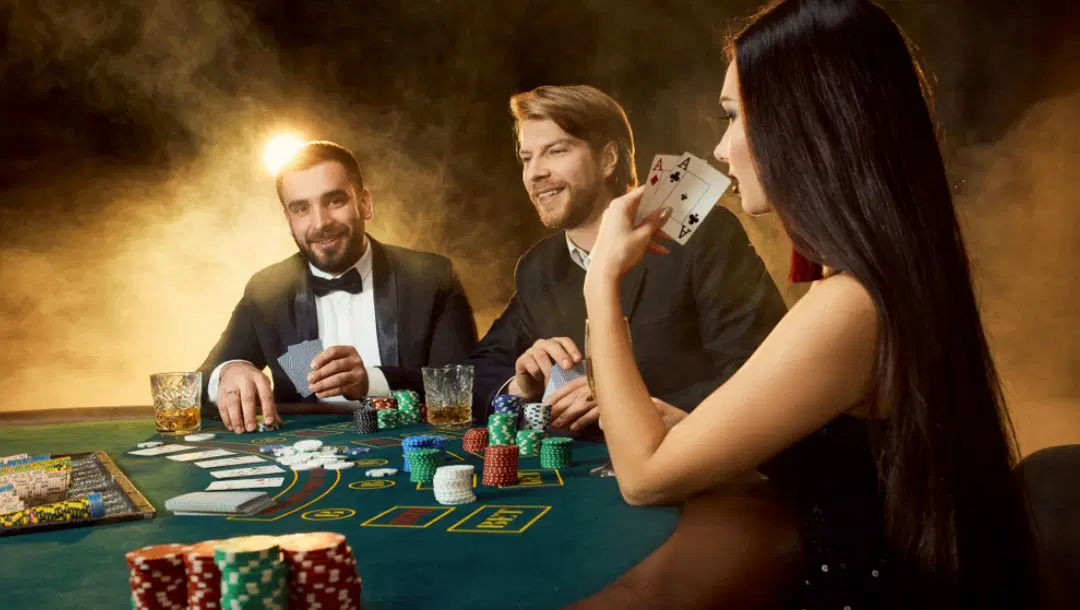
One of the more understated elements of blackjack is its psychological depth. Players aren’t just reacting to cards—they’re watching the dealer, gauging table dynamics, and managing their own emotions. A calm demeanor and a clear mind often make the difference between a sharp decision and a costly misstep.
In this sense, blackjack shares characteristics with games like poker, where poise and presence are as important as probability. The best players are those who can ride the waves of wins and losses without letting emotion steer their decisions.
From High Stakes to Home Games: The Versatility of Blackjack
Blackjack’s elegance lies not only in its strategy but also in its versatility. It can be played at glamorous high-roller tables where fortunes change with every card, or in the comfort of a living room among friends. Its rules are easy to learn, making it accessible, yet its mastery can take years to perfect.
Popular Variants of the Game Include:
European Blackjack: The dealer doesn’t receive a hole card until players have acted, adding a subtle shift in strategy
Spanish 21: Played without tens in the deck but offers bonus payouts and player-friendly rules
Pontoon: A British cousin to blackjack with its own charming twists and terminology
Each variation offers a new flavor, challenging players to adapt their strategies while still maintaining the heart of the game.
Blackjack in Pop Culture: A Game of Glamour and Rebellion
Few casino games have captured the imagination of filmmakers, novelists, and pop culture aficionados like blackjack. Films like 21, Rain Man, and The Hangover have immortalized the game as one of risk, intellect, and occasionally, defiance. The idea of a lone genius beating the system continues to seduce the public imagination—perhaps because blackjack is one of the few games where skill can, on rare occasions, bend the odds.
Tips for an Elegant Game: How to Elevate Your Blackjack Experience
For those looking to experience blackjack with style and grace, a few key principles go a long way:
Know the Etiquette: Use hand signals, avoid touching chips after betting, and respect the dealer’s flow
Dress the Part: Especially in high-end settings, dressing with class elevates the ambiance
Play with Intention: Avoid impulse betting and stay mindful of your limits and strategies
Stay Sober, Stay Sharp: Blackjack rewards focus and discipline—traits dulled by excessive drinking
Conclusion: The Eternal Appeal of a Modern Classic
Blackjack is not just a game—it’s a ritual, a mental duel, and a study in probability wrapped in velvet and polished wood. It invites players into a world where every card matters and every decision has weight. Its simplicity welcomes the novice, while its complexity challenges the master. And above all, it endures because it reflects something deeply human: the desire to engage with chance, to influence fate, and to play the game—elegantly.
In a world overflowing with digital distractions and impersonal algorithms, blackjack offers a refreshingly tactile experience. It is as much about presence as it is about play, and in that lies its timeless charm.