
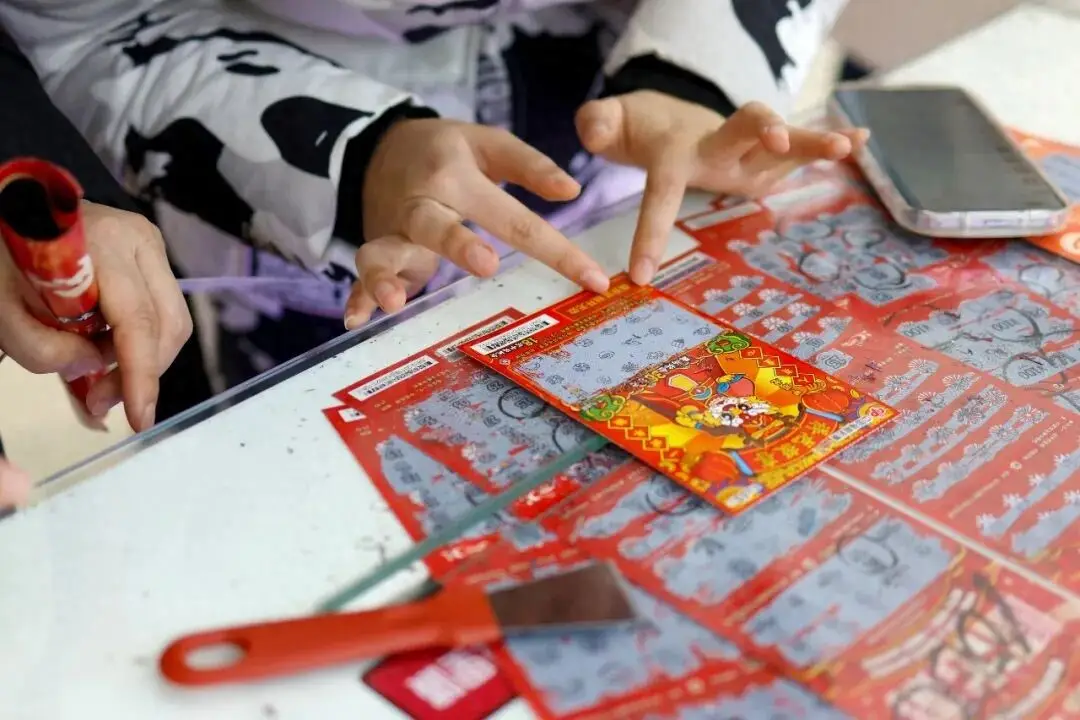
When people think about testing their luck with state or national gaming programs, two primary formats immediately come to mind. On one side are instant win scratch cards, offering tactile excitement and immediate gratification with the swipe of a coin. On the other side are traditional draw-based lotteries, characterized by massive multi-million-dollar jackpots, televised number drawings, and a tense period of anticipation. Both options capture the imagination of millions of participants worldwide, yet they offer fundamentally different psychological, mechanical, and statistical experiences. Examining the mechanics of each format reveals why players gravitate toward one or the other depending on their personal preferences for speed, reward structure, and entertainment value.
The Mechanics of Immediate Gratification
Instant win scratch cards are designed around the concept of speed and direct physical interaction. When you purchase a physical paper ticket or open a digital version on a smartphone application, the outcome of the game has already been predetermined by a secure random generation process during manufacture or server allocation. Your task as the player is simply to reveal the hidden symbols, numbers, or matching icons underneath the latex coating.
This instant feedback loop triggers a powerful burst of excitement. There is no waiting for a scheduled broadcast or a weekly drawing. Within seconds of scratching the surface, you know whether you have secured a small prize, broken even, or lost your initial stake. This rapid pacing makes scratch cards exceptionally popular for casual players who view gaming as a short-term diversion during a lunch break or a quick stop at a convenience store counter.
The Anticipation and Scale of Draw-Based Lotteries
In stark contrast to the fast-paced nature of scratch cards, draw-based lotteries like Powerball or Mega Millions operate on a timeline of suspense. Players select a specific set of numbers from a designated pool and then enter a holding pattern, waiting days for the official drawing to take place.
Life-Changing Jackpots
The primary driving force behind draw-based lotteries is the accumulation of massive, life-altering prize pools. Because tickets are sold across vast geographic regions over multiple weeks without a winner, jackpots can roll over and swell into hundreds of millions or even billions of dollars. This staggering financial upside creates a cultural phenomenon, drawing in even the most infrequent players when the numbers reach historic highs.
Structured Game Formats
Draw games often offer multiple tiers of secondary prizes based on matching a subset of winning numbers. While the odds of hitting the grand jackpot are astronomically low, winning smaller secondary amounts keeps participants engaged across multiple consecutive drawings.
-
Scheduled Drawings: Fixed days and times for draws create a shared communal ritual among players.
-
Global Pooling: Massive ticket sales networks combine funds to generate unprecedented payout ceilings.
-
Strategic Selection: Many participants use birthdates, anniversaries, or random quick-pick algorithms to select their numbers.
Comparing Odds and Payout Structures
Understanding the mathematical differences between these two formats is essential for managing expectations.
Scratch cards generally offer a higher frequency of winning overall, though the vast majority of these wins consist of small prizes such as a free ticket or a modest cash return equal to the purchase price. The overall return-to-player percentage on scratch cards is heavily regulated, but the distribution is front-loaded into smaller, more frequent payouts.
Draw-based lotteries feature a vastly different statistical profile. The odds of winning the jackpot are exceptionally long, often measured in hundreds of millions to one. A much smaller percentage of total ticket revenue is returned in frequent small prizes, allowing the operator to pool massive reserves for the rare, monumental jackpot payouts. Consequently, players must view draw tickets as long-shot entertainment rather than a reliable investment strategy.
Psychological Appeal and Player Behavior
The choice between instant scratch cards and draw-based lotteries often reflects distinct psychological motivations. Scratch cards appeal to individuals who enjoy tactile engagement, control over the revealing process, and immediate closure. The physical act of scratching provides an interactive tactile element that passive lottery slips cannot replicate.
On the other hand, draw-based lotteries appeal to dreamers. The days of waiting between purchasing a ticket and watching the live draw allow participants to fantasize about financial freedom and lifestyle changes. This prolonged anticipation acts as an emotional form of entertainment that lasts long after the physical ticket is safely tucked into a wallet or dashboard.
Frequently Asked Questions
Can players use strategy to improve their odds on scratch cards?
No, scratch card outcomes are predetermined by random generation protocols during production, meaning player choices cannot alter the mathematical probability of winning.
Why do some scratch cards cost more than others?
Higher-priced scratch cards typically feature larger top prizes, better overall odds of winning, and a wider distribution of mid-tier cash rewards compared to baseline budget tickets.
How are unclaimed prize funds handled in draw-based lotteries?
Unclaimed prize money is typically redirected back into future jackpot pools, allocated to special state educational funds, or used to sponsor secondary promotional second-chance drawings depending on regional regulations.
Do online digital scratch cards differ from physical paper versions?
Digital scratch cards utilize certified random number generator software to reveal outcomes instantly on screen, functioning identically to paper tickets in terms of mathematical odds and payout structures.
What happens if multiple players hit the same lottery jackpot?
When multiple winning tickets match all numbers for a draw-based jackpot, the advertised grand prize is divided equally among the verified winners unless the ticket was purchased as part of an official shared pool.
Is it possible to verify remaining top prizes for active scratch card games?
Most state and national lottery commissions publish transparent inventory tracking data on their official websites, detailing how many top-tier prizes remain unclaimed for every active scratch card series in circulation.


